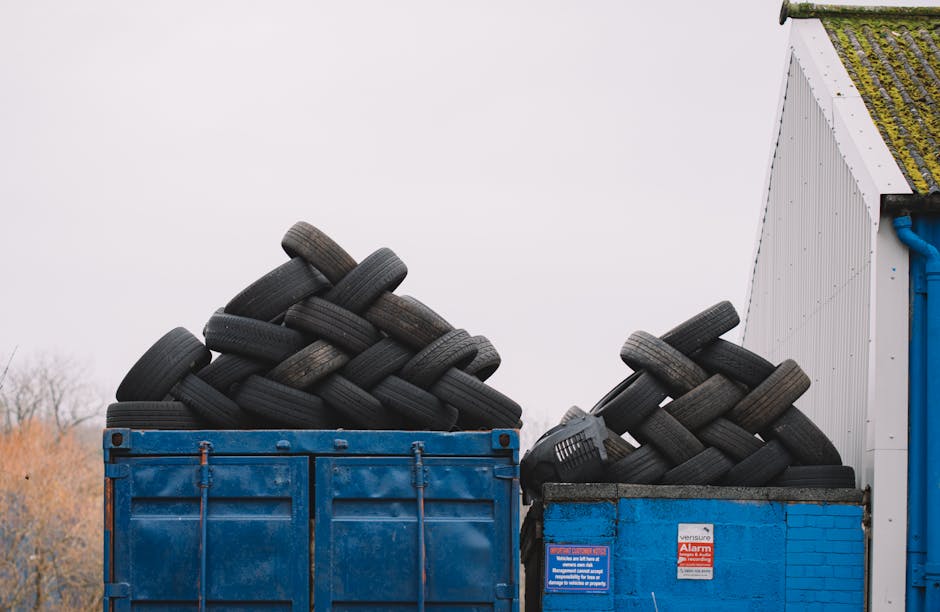
Block Rubbish Removal for Brimsdown Industrial Estate
If you manage a unit, yard, workshop, or shared commercial space, rubbish has a way of building up quietly and then all at once. One day it is a few pallets and broken packaging. A week later, there are bulky offcuts, old fixtures, mixed waste, and a skip area that is starting to look like a problem. That is where Block Rubbish Removal for Brimsdown Industrial Estate becomes more than a tidy-up job - it becomes part of keeping the whole site workable, safe, and professional.
This guide explains what block rubbish removal actually means in a busy industrial setting, how it works in practice, who needs it, and what to watch out for. It also covers better ways to plan collections, avoid compliance headaches, and choose the right method for the kind of waste you have. Truth be told, industrial estates are rarely neat for long, so the real trick is not perfection. It is having a system that keeps things moving.
For businesses that also need broader commercial support, services like commercial skip hire, rubbish removal, and site clearance often fit neatly into the picture. The right mix depends on access, waste type, volume, and how quickly you need the area clear.
Table of Contents
- Why Block Rubbish Removal for Brimsdown Industrial Estate Matters
- How Block Rubbish Removal for Brimsdown Industrial Estate Works
- Key Benefits and Practical Advantages
- Who This Is For and When It Makes Sense
- Step-by-Step Guidance
- Expert Tips for Better Results
- Common Mistakes to Avoid
- Tools, Resources and Recommendations
- Law, Compliance, Standards, or Best Practice
- Options, Methods, or Comparison Table
- Case Study or Real-World Example
- Practical Checklist
- Conclusion
- Frequently Asked Questions
Why Block Rubbish Removal for Brimsdown Industrial Estate Matters
On an industrial estate, rubbish is rarely just "rubbish". It can affect vehicle movement, loading bays, fire routes, shared access points, pest control, and the general impression clients get when they arrive. A pile of mixed waste near a shutter door can slow deliveries. A blocked route by the yard can turn a routine collection into a faff. And if several units share the same space, one business's mess can quickly become everyone else's inconvenience.
Brimsdown Industrial Estate has the kind of working environment where space is valuable and time is even more valuable. That makes block rubbish removal useful for more than one reason. It helps reduce trip hazards, keeps operations easier to manage, and gives landlords or occupiers a cleaner starting point when units change hands, refurbishments begin, or stock arrives in waves.
There is also the reputation factor. Customers, contractors, and inspectors notice the practical details. A clear yard, controlled waste area, and organised removal schedule send a simple message: this site is run properly. Nothing flashy. Just competence. And let's face it, competence saves stress.
Practical takeaway: if waste starts affecting movement, safety, or shared access, the issue has moved beyond housekeeping. It is now a site-management task.
How Block Rubbish Removal for Brimsdown Industrial Estate Works
The exact setup varies, but in most cases block rubbish removal follows a predictable pattern. First, the waste is assessed. Then the collection method is chosen. After that, the load is removed, sorted, and taken for disposal or recycling. The better the planning, the less disruption you will feel on the day.
For an industrial estate, the process often starts with a rough classification of waste. Mixed packaging, timber, metal offcuts, broken fixtures, and general commercial rubbish may all be present. Sometimes there are heavier or awkward items too - damaged shelving, machinery parts, or palletised waste that has been sitting around longer than anyone wants to admit. Not glamorous, but very normal.
Depending on access and volume, the job might be handled by a skip, a grab truck, a man-and-van clearance team, or a same-day collection. If the material is mostly clean and stackable, a skip may be simplest. If the waste is bulky, loose, or sitting in a hard-to-reach area, a grab lorry or direct clearance crew may be quicker. In some cases, a grab hire service is the cleanest solution because it can remove a large volume without needing a skip to sit on site for days.
The key is matching the method to the site conditions. A good provider will ask about access width, loading restrictions, waste type, and whether there is a safe place to position equipment. That little bit of planning usually prevents a lot of hassle later.
Typical process in practice
- Identify the waste type and approximate volume.
- Check access, parking, and loading space.
- Choose the most suitable removal method.
- Separate any restricted items in advance.
- Book a collection time that avoids peak site activity.
- Clear the waste and leave the area ready for use.
Sometimes that sounds simple. In reality, the tricky bit is usually the access. A narrow entrance, parked vans, or shared loading areas can turn a quick clearance into a small logistical puzzle. Not impossible, just worth planning properly.
Key Benefits and Practical Advantages
Block rubbish removal for an industrial estate is not only about tidiness. It can improve the day-to-day rhythm of the site in ways that are easy to overlook until they are missing.
- Better safety: fewer trip hazards, fewer obstructions, and less loose waste around busy areas.
- Improved access: easier movement for staff, deliveries, and contractors.
- Cleaner shared spaces: especially useful where several businesses use the same yard, bin store, or loading area.
- Less downtime: waste is removed efficiently rather than being shuffled around or left to pile up.
- Better appearance: helpful for client-facing units, inspections, and estate management.
- More sensible sorting: a planned clearance makes recycling and segregation far easier.
- Lower risk of complaints: neighbours, staff, and landlords tend to notice unmanaged waste pretty quickly.
One of the quieter advantages is morale. Staff usually work better in a space that feels cared for. Nobody wants to be threading around a stack of broken packaging first thing on a Monday morning. It sets the wrong tone before the kettle has even boiled.
Another benefit is flexibility. A properly arranged removal can be timed around deliveries, shift changes, or production windows. That matters more than people think. A collection that fits the site schedule is worth far more than one that simply arrives "some time today".
Who This Is For and When It Makes Sense
This service suits a wide range of businesses and property managers across Brimsdown Industrial Estate. If your site generates waste in bursts, stores bulky items temporarily, or shares facilities with other occupiers, you will likely get value from it.
- Warehouses and distribution units
- Manufacturing and fabrication businesses
- Trade counters and builders' merchants
- Landlords and estate managers
- Refurbishment contractors
- Fit-out teams
- Small industrial tenants with limited storage space
- Businesses clearing out old stock, racking, or packaging waste
It makes sense when the waste is too awkward for ordinary bin collections, too bulky for staff to deal with manually, or too urgent to leave sitting around. If you are trying to clear a unit between tenancies, prepare for a refit, or reclaim valuable floor space, you are probably in the right territory.
It is also useful after a busy trading period. End-of-quarter clearouts, post-project waste, or seasonal build-ups are classic examples. You know the sort of thing - you keep meaning to deal with it, and then suddenly the pile has become a landmark.
If confidentiality matters, such as with documents or branded materials, pairing clearance with confidential shredding can help avoid awkward mistakes and keep sensitive waste handled appropriately.
Step-by-Step Guidance
If you want the smoothest possible outcome, it helps to treat waste removal as a short project rather than an afterthought. Here is a practical way to approach it.
1. Walk the area first
Do a proper site walk. Check corners, behind machines, under mezzanines, and anywhere waste tends to get hidden. It is amazing how often the "small tidy-up" turns out to include three broken pallets, a box of scrap metal, and a chair nobody admits owning.
2. Separate by waste type
Try to split general waste from recyclable materials, and keep any restricted items apart. Timber, metal, cardboard, and mixed commercial waste may need different handling routes depending on the collection method.
3. Measure access constraints
Note the width of gates, turning space, loading areas, low branches, bollards, and parking limitations. If a vehicle cannot get close enough, the job becomes slower and potentially more expensive.
4. Choose the right removal method
For mixed bulky waste in one area, a skip may be the simplest option. For scattered waste or locations with tight access, a clearance crew or wait and load skip hire may be more convenient because the waste is loaded and taken away promptly without a skip being left on site.
5. Book around operations
Schedule collections outside peak delivery times if possible. If your yard gets busy first thing, a mid-morning or afternoon slot may be less disruptive.
6. Prepare the waste area
Keep the load accessible. If waste is buried behind stock, the team will spend time moving things just to reach it. That time adds up. A little preparation goes a long way.
7. Confirm disposal expectations
Ask how the waste will be handled after collection. Good operators should be able to explain sorting, recycling, and disposal methods in plain English. No mystery, no hand-waving.
8. Review the result
Once the area is cleared, check whether any recurring source of waste needs a better long-term solution. Sometimes the real fix is not another clean-up. It is a better storage routine, more frequent collections, or a different container type.
Expert Tips for Better Results
After a few clearances, certain patterns become obvious. The same problems tend to appear again and again, and the same fixes tend to work.
- Keep waste streams separate where possible. It saves time, helps recycling, and reduces sorting headaches.
- Use the right container size. Too small and you overfill it. Too large and you pay for space you do not need.
- Plan for surprise waste. Renovation and clearance jobs almost always produce more material than expected.
- Make access the first discussion, not the last. It is one of the biggest reasons jobs run smoothly or go sideways.
- Think in terms of site flow. Where will waste be moved from? Where will vehicles stop? Who needs to keep working nearby?
- Build removal into your maintenance rhythm. Regular, smaller clearances are often easier than one big rescue mission later.
One thing people underestimate is the value of a short pre-collection sweep. Ten minutes spent gathering loose material, stacking items sensibly, and opening access routes can save a lot of time on the day. It is boring. It works. Enough said.
If your waste includes heavy rubble, soil, or mixed site debris, services such as construction waste disposal or muck-away services may be better matched than a general clearance. That choice alone can make the job feel much less complicated.
Common Mistakes to Avoid
Most waste problems on industrial estates are not caused by one major error. They build up through lots of small, avoidable ones. The good news is that they are fairly easy to prevent once you know what to watch for.
- Leaving access planning too late. A blocked yard or tight turning space can turn a simple collection into a delay.
- Mixing hazardous and general waste. This can create compliance issues and may require specialist handling.
- Overfilling containers. Waste should be loaded safely and within the agreed limits.
- Assuming all waste is the same. Cardboard, timber, metal, and damaged equipment are not always treated identically.
- Forgetting about shared estate rules. Some industrial estates have practical loading restrictions or shared-use arrangements.
- Booking the wrong service for the job. A general removal may not suit heavy builders' waste, and a skip may not be ideal if access is poor.
A classic mistake, and one that happens more often than people admit, is waiting until the waste becomes urgent before checking the collection method. By then, choice narrows and pressure rises. Better to ask early. Much better.
For bulky domestic-style items left in commercial units, fridge and appliance removal or mattress and sofa disposal may be more appropriate than treating everything as mixed waste.
Tools, Resources and Recommendations
You do not need fancy systems to manage block rubbish removal well. A few basic tools and habits make a big difference.
- Simple waste log: note what is going out, how often, and from where.
- Site photos: useful for quoting, planning access, and confirming the load.
- Basic segregation labels: helps staff place waste in the right area.
- Hand trolleys or pallet trucks: reduce manual strain and make movement easier.
- Gloves, hi-vis, and eye protection: sensible for staff moving light waste before collection.
- Lockable storage or enclosed containers: useful where waste needs to be protected from wind, rain, or fly-tipping.
On the service side, it is worth comparing a few options before deciding. A builders' waste removal service may suit refurbishment debris, while enclosed and lockable skip hire can be handy if the waste area is exposed or security is a concern. For mixed commercial sites, waste recycling services can also support better environmental performance without making the process harder than it needs to be.
If you are comparing costs or trying to figure out the best format, the pages on skip sizes and prices and pricing and quotes can help you think more clearly about what you actually need, rather than guessing under pressure.
Law, Compliance, Standards, or Best Practice
Waste management in the UK carries real responsibilities, especially for businesses. While this article is not legal advice, it is fair to say that you should treat commercial waste carefully and keep records where needed. That is simply good practice and, in many cases, part of meeting your duty of care.
In plain English, that means knowing what you are disposing of, making sure it goes to an appropriate facility, and using a provider who handles waste responsibly. If hazardous items are involved, the rules and handling requirements become stricter. Do not guess with those. If something seems unusual, sharp, chemical-like, dusty, oily, or potentially contaminated, it deserves extra caution.
For industrial estates, best practice usually includes:
- clear identification of waste types before collection
- safe segregation of restricted or hazardous materials
- site access planning to avoid unsafe loading
- keeping waste out of fire routes and shared access spaces
- using trained teams for lifting, loading, and transport
- checking that disposal and recycling are handled properly
If the job includes hazardous or awkward materials, it may need a dedicated solution rather than standard clearance. Services like hazardous waste disposal and insurance and safety information become especially relevant in that case. Better cautious than sorry - one overconfident shortcut can create more trouble than a full day's work.
Site operators should also think about broader safety management. If there are moving vehicles, forklifts, or shared loading zones, waste work should be scheduled so that people are not stepping into each other's way. That sounds obvious, but on busy sites obvious things are the first to get overlooked.
Options, Methods, or Comparison Table
There is no single best method for every block clearance job. The best choice depends on access, waste type, urgency, and how much labour you want to spend on the day.
| Method | Best for | Strengths | Watch-outs |
|---|---|---|---|
| Skip hire | Predictable volumes of mixed waste | Simple, familiar, good for ongoing jobs | Needs space, may need permits or site approval |
| Wait and load | Sites with limited space or short loading windows | No skip left on site, quick turnaround | Waste must be ready when the vehicle arrives |
| Grab hire | Bulky loose waste, larger clearances, awkward loads | Fast removal, useful where access is practical | Not ideal for tightly confined yards |
| Man and van | Smaller clearances or mixed item removal | Flexible, hands-on, good for uneven loads | Can be slower for large volumes |
For many Brimsdown Industrial Estate sites, the decision comes down to one question: do you have a place to keep waste while it waits, or do you need it gone in one go? That simple question narrows the options quickly. If the answer is "we need it gone now", the rest usually follows.
If site access is sensitive, a skip permits discussion may also be relevant, though not every industrial location needs one. It depends on where the container will sit and what the estate rules allow.
Case Study or Real-World Example
Here is a realistic example. A light industrial unit on Brimsdown Industrial Estate was preparing for a refurb after a change in tenancy. The space was filled with broken racking, packaging waste, old office furniture, and a few awkward items that had been pushed into the corner over months of busy trading. Nothing dramatic. Just a lot of small things that had quietly become one big job.
The team started with a walkthrough and separated the material into general waste, recyclable cardboard, and heavier bulky items. Access was limited at the rear because delivery vans used the same lane during the day, so the collection was scheduled for a quieter window. A clearance method was chosen that allowed the waste to be removed without blocking the unit longer than necessary. No drama, no repeated visits.
The result was simple but useful: the unit was handed over cleaner, the refurb team had clear working space, and the landlord did not inherit a mess. It also saved time in the long run because the business did not have to move waste twice. That last part matters more than people think. Every extra lift is another bit of time, and time always disappears faster on site than in theory.
In a similar situation, a business with mixed commercial rubbish but no room for a stationary container might choose same-day skip hire or a coordinated clearance, especially if the handover deadline is tight. The right choice is the one that reduces friction, not the one that looks cheapest on paper.
Practical Checklist
Use this checklist before booking block rubbish removal for your site.
- Have I identified the main waste types?
- Is any item potentially hazardous or restricted?
- Do I know where the waste is stored on site?
- Is access wide enough for the chosen collection method?
- Will the collection disrupt deliveries or staff movement?
- Do I need a skip, grab hire, wait and load, or man-and-van collection?
- Are recyclable materials separated where possible?
- Do I need extra help with bulky items or appliances?
- Have I checked estate rules, parking limits, or permit needs?
- Do I have a clear date, contact person, and loading plan?
If you can tick most of those boxes, the job is usually straightforward. If not, that is fine too. It just means a little more planning will save a lot of back-and-forth later.
Conclusion
Block rubbish removal for Brimsdown Industrial Estate is really about keeping a working site usable, safe, and under control. The waste itself may be ordinary enough - packaging, broken items, offcuts, mixed commercial debris - but the impact of letting it linger is anything but ordinary. It affects access, appearance, workflow, and sometimes compliance too.
The best results usually come from simple habits: assess the waste properly, choose the right collection method, plan access carefully, and keep the site moving. That is the practical version. No nonsense, no overcomplication. Just a cleaner, better-managed estate space that does what it should do.
If you are comparing options for a commercial unit, yard, or shared estate area, start with the type of waste and the space you have available. Everything else becomes easier from there. And once the clutter is gone, the whole place breathes a bit better. You notice it straight away.
Get a free quote today and see how much you can save.
Frequently Asked Questions
What does block rubbish removal mean for an industrial estate?
It usually refers to the planned removal of accumulated waste from one or more business units, shared areas, yards, or loading spaces within an industrial estate. The goal is to clear bulk rubbish efficiently without disrupting operations more than necessary.
Is block rubbish removal suitable for mixed commercial waste?
Yes, in many cases it is. Mixed commercial waste, packaging, light refurbishment debris, and bulky items can often be handled together, although separating recyclable or restricted materials first usually makes the process smoother.
How do I know whether I need a skip or a clearance service?
If you have a defined pile of waste and room for a container, skip hire may be a good fit. If the waste is spread out, access is tight, or you want it removed quickly without leaving equipment on site, a clearance service, grab hire, or wait and load option may be better.
Can waste be removed from a busy working unit without shutting operations down?
Usually, yes. The collection can often be scheduled around deliveries, shift changes, or quieter periods. The key is to plan access and loading times in advance so staff and vehicles do not get in each other's way.
What if the waste includes heavy or awkward items?
Heavy items such as shelving, machinery parts, broken fixtures, or palletised material may need a more suitable method than simple hand loading. Grab hire, man-and-van removal, or a specialist commercial clearance can sometimes be the better choice.
Do I need to sort the waste before collection?
It helps a lot, though the level of sorting depends on the service chosen. At minimum, it is sensible to separate restricted items, hazardous materials, and recyclable materials where possible. That usually saves time and avoids complications.
What should I do with hazardous waste?
Hazardous waste should be handled separately and with extra care. Do not mix it with general rubbish. If you are unsure whether something counts as hazardous, treat it cautiously and ask for specialist advice before collection.
Will a skip always be the cheapest option?
Not necessarily. A skip can be cost-effective for some jobs, but not if access is difficult, the waste is bulky and loose, or the skip would sit around unused. The cheapest option is the one that fits the job properly, not just the one with the lowest headline figure.
How can I reduce the amount of waste next time?
Review where the waste is coming from. Often the answer is better storage, more frequent small clearances, clearer labels, or improved recycling routines. A little housekeeping during the week can stop a larger clearance later.
Are permits ever needed for waste containers near an estate?
Sometimes. It depends on where the container will sit and what the local access or estate rules are. If a skip or similar container needs to be placed on public land or in a restricted location, permit requirements may apply.
What happens to the rubbish after it is collected?
It is usually taken to a sorting, transfer, or disposal facility where it can be processed, separated, recycled, or disposed of appropriately. Reputable providers should be able to explain that process clearly.
How often should a commercial site arrange rubbish removal?
That depends on the business. Some sites benefit from weekly or monthly collections, while others only need clearance during refits, stock changes, or seasonal peaks. The right frequency is the one that keeps the site manageable without creating waste bottlenecks.